2025-08-07T18:30:00Z
FOSS Club CE Vadakara – Code. Collaborate. Create.

As the new academic year begins, we are excited to welcome everyone to FOSS Club CEV (College of Engineering Vadakara) — a community driven by the spirit of Free and Open Source Software (FOSS), collaboration, innovation, and continuous learning. 
What We Do
At FOSS Club CE Vadakara, we empower students to move beyond being technology consumers and become active contributors to the open-source ecosystem. Through hands-on workshops, technical talks, hackathons, project collaborations, and mentorship opportunities, we create an environment where learning happens by building.
We encourage students to explore new technologies, contribute to real-world projects, share knowledge with peers, and develop the skills needed to thrive in the open-source community. Whether you’re writing code, designing interfaces, creating documentation, or leading initiatives, there’s a place for everyone at FOSS Club CE Vadakara.
Together, we learn openly, collaborate freely, and create solutions that make an impact. 
Join us in shaping the future of technology—one contribution at a time. 

EXECOM-2025-26
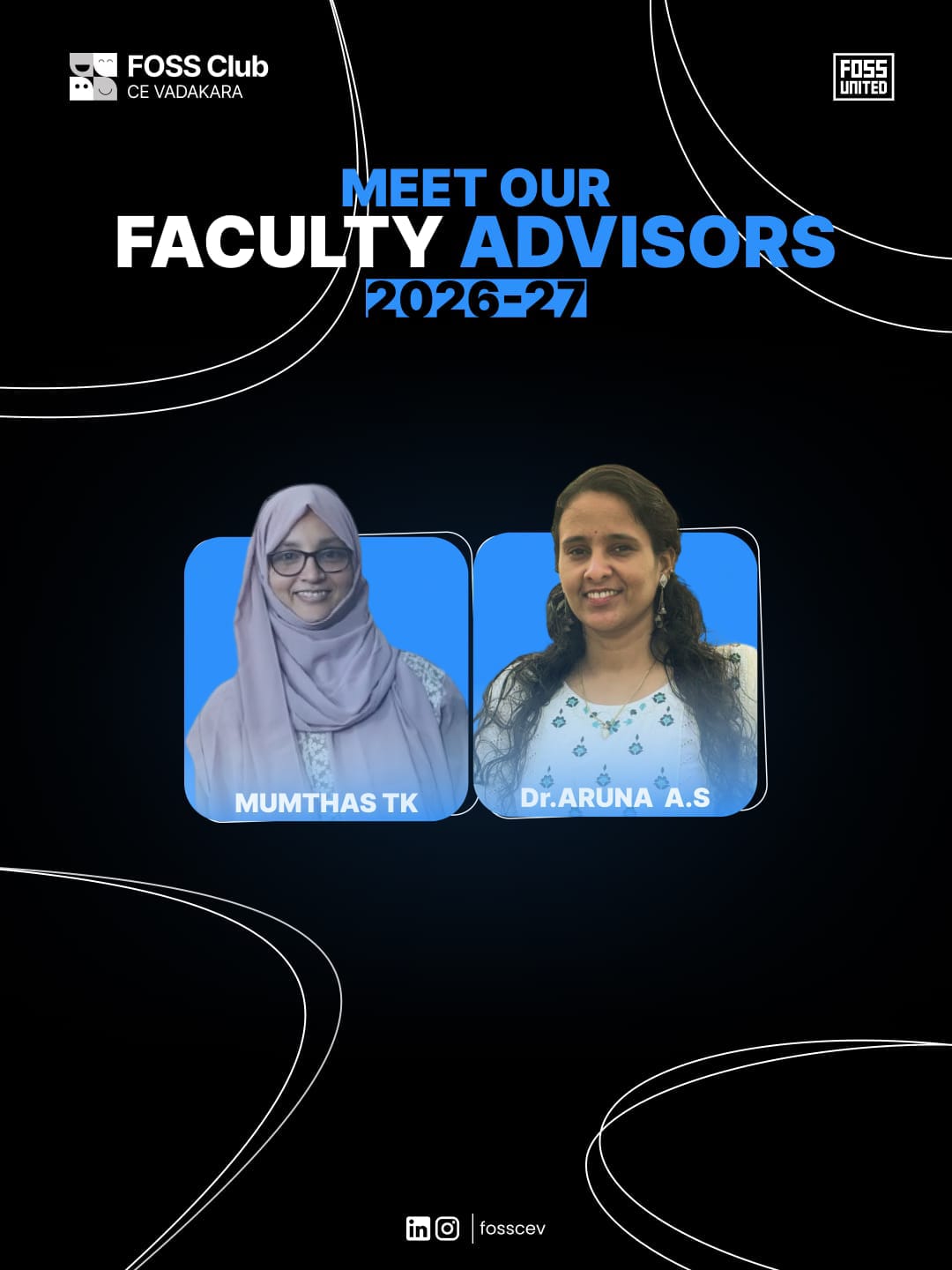
Faculty Advisors 2025-26
- Mrs Mumthas T K
- Dr Aruna A S
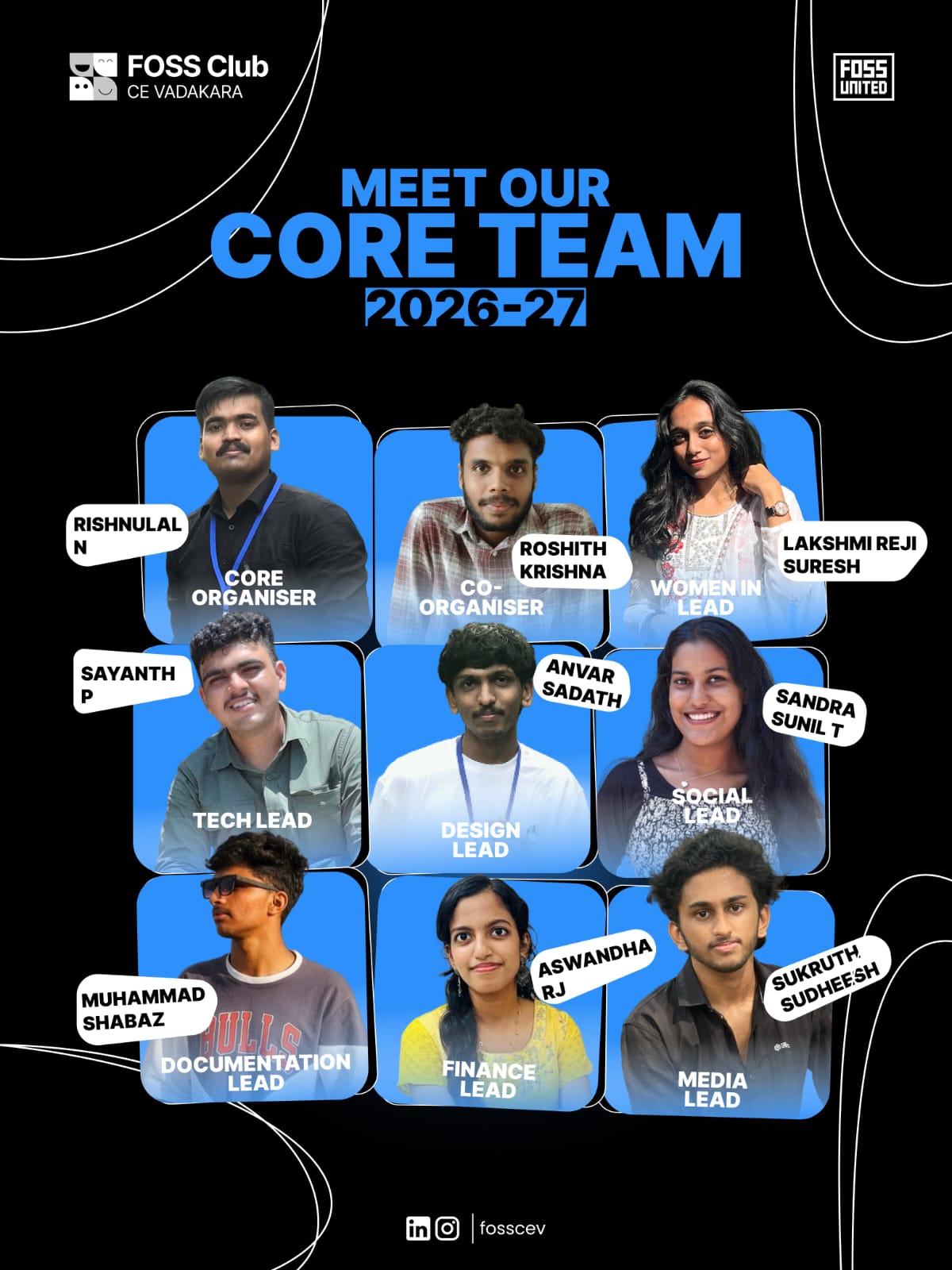
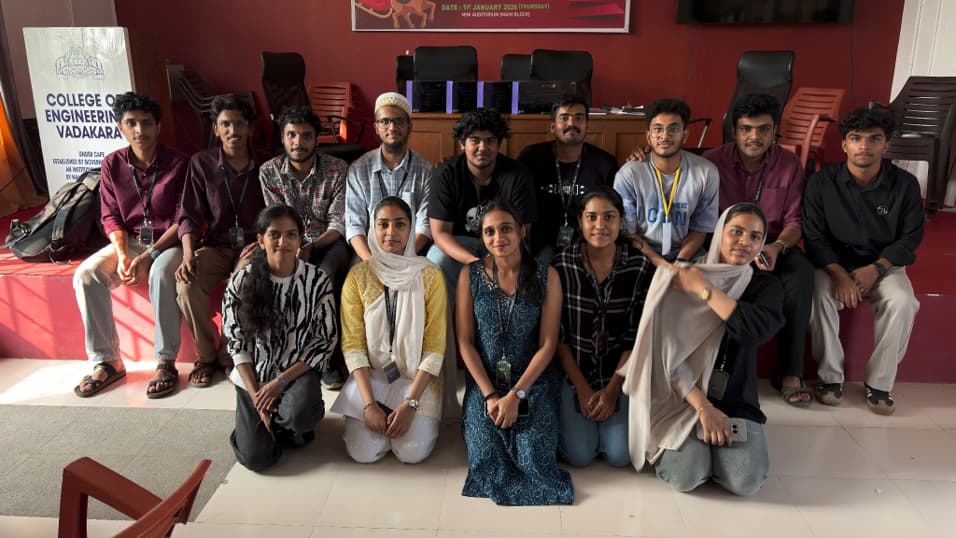
FOSS CORE TEAM 2025-26
- Core Organiser-Rishnulal N
- Co-Organiser-Devapriya K
- Co-Organiser-Hussain Hussefa
- Social Lead-Sayanth P
- Co Social Lead-Sandra Sunil T
- Design Lead-Anvar Sadath
- Finance Lead-Roshith Krishna
- Co Finance Lead-Aswandha RJ
- Content Writer-Muhammad Sinan AP
- Designer-Fathima P
- Designer-Aswlah
- Women In Lead- Lakshmi Reji Suresh
- Women In Lead-Rida Waseem
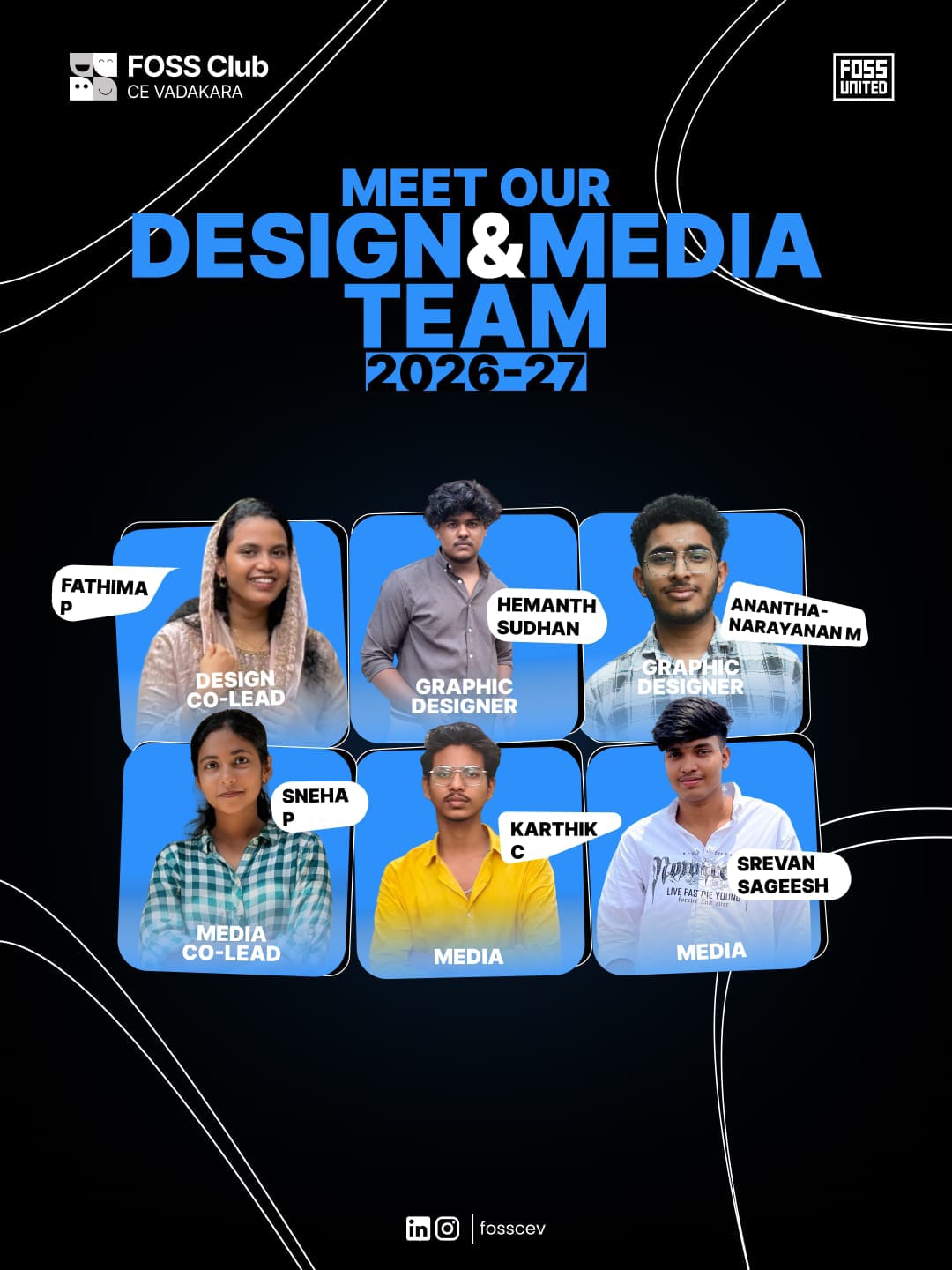
SUB TEAM MEMBERS
- Hemanth Sudhan-Designer
- Ananthanarayan-Designer
- Vismaya Shibin-Designer
- Karthik C-Media
- Adhi Prajeesh
- Muhammed Shabaz
- Srevan S
ACTIVITY REPORTS & DOCUMENTATION [Academic Year 2025-26]
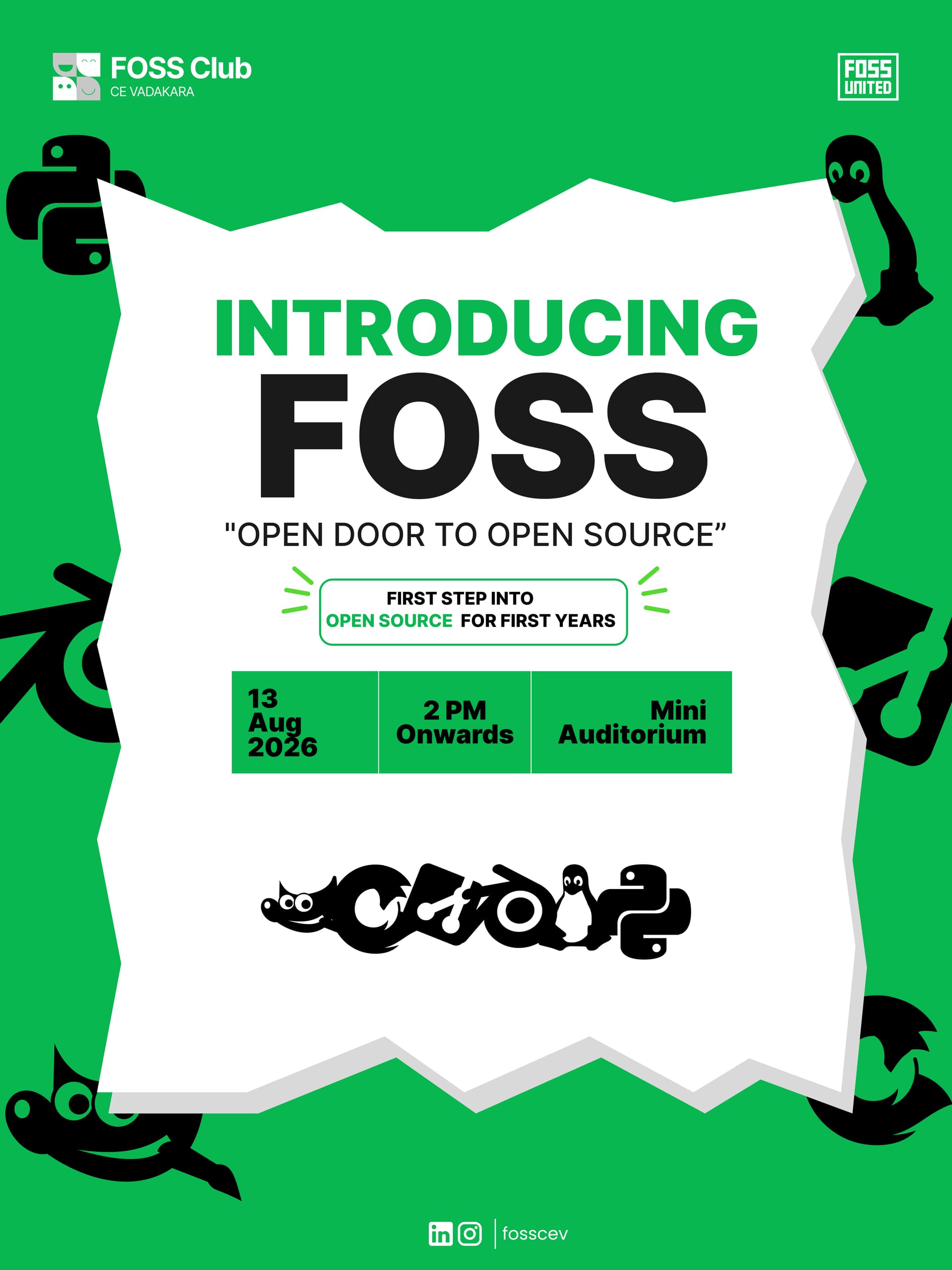
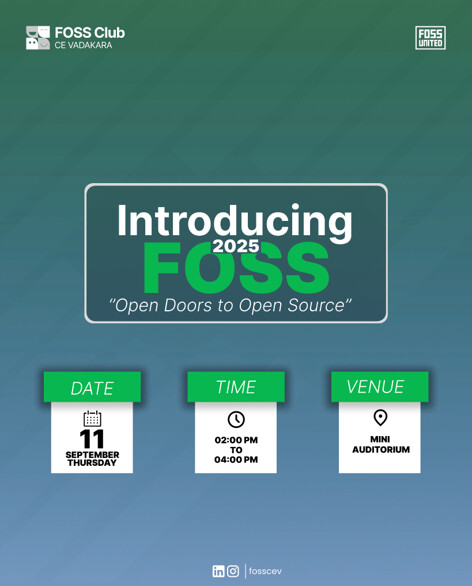
Event.1 Introducing FOSS-Open Doors to Open Source
2025-09-11T08:30:00Z
About Speaker
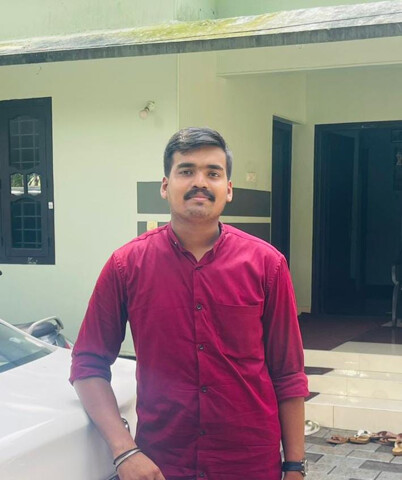
Rishnu Lal N is a second-year Computer Science and Engineering student at the College of Engineering Vadakara and a core organizer of FOSS Club CEV. Passionate about coding and open source, he actively contributes to workshops, hackathons, and community events while exploring emerging technologies.
Objective
The FOSS Immersion Program aimed to introduce students to the philosophy, importance, and real-world impact of Free and Open Source Software (FOSS). The session focused on helping participants understand open source and the opportunities it offers for learning, collaboration, and career growth.
Brief Description
The FOSS Immersion Program marked the official launch of FOSS Club CEV’s activities for the new academic year, bringing together 100 participants. The session covered the fundamentals of open source, including its core principles, benefits, and the role it plays in modern technology.
Participants learned about the advantages of FOSS such as transparency, security, flexibility, and community-driven innovation. The program also highlighted ways students can contribute to open-source projects, use tools like Git and GitHub, and engage with collaborative development practices.
Additionally, the event introduced the vision of FOSS Club CEV, its upcoming initiatives, workshops, and mentorship opportunities, encouraging students to become active members of the open-source community.
Outcome
The program successfully increased awareness and understanding of FOSS among students. It generated strong interest in the club’s activities, leading to numerous sign-ups and inquiries about future events and projects.
The session also inspired several students to explore open-source contribution, helping build a potential contributor community within the college. Most importantly, it fostered a collaborative learning environment where students could connect, learn, and grow together through open-source technologies.
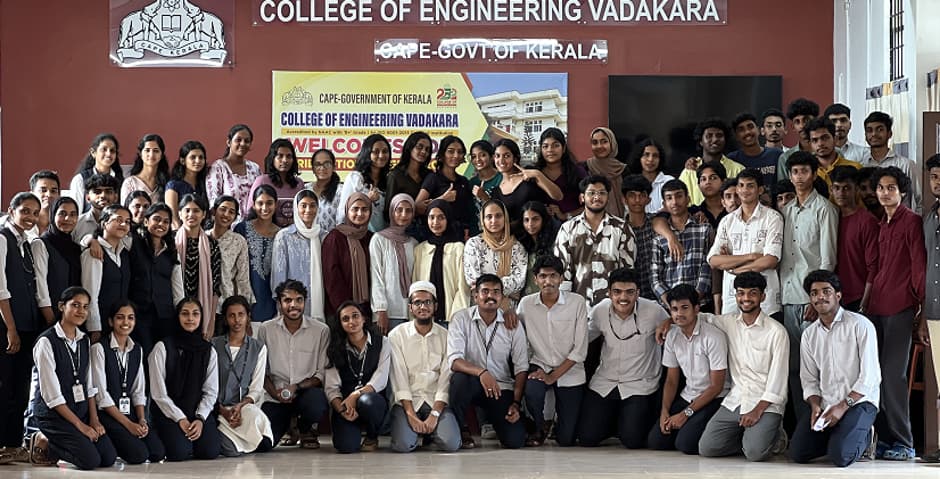
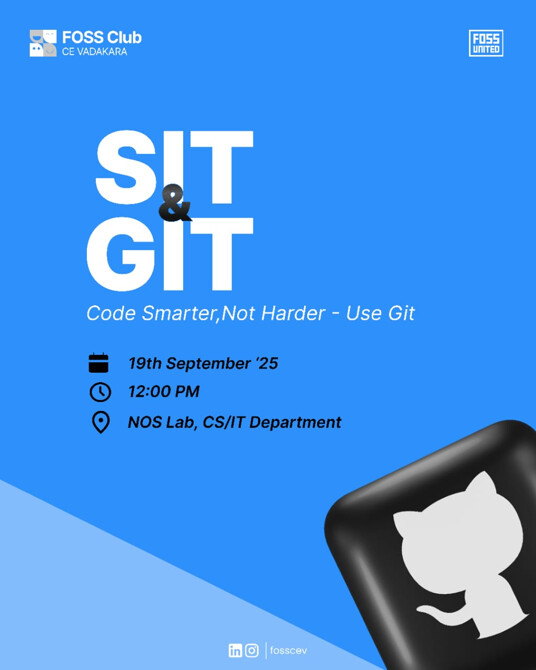
Event No.2 Sit & Git
2025-09-19T06:30:00Z
About Speaker
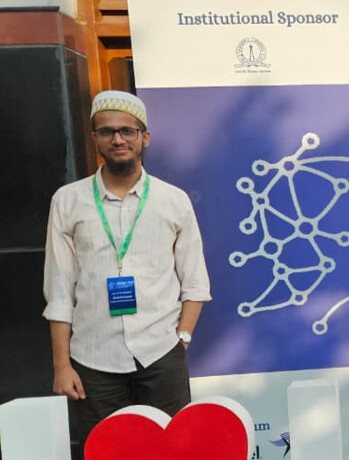
Hussain Huzefa is a third-year B.Tech Information Technology student at the College of Engineering Vadakara. Passionate about quantum computing, web development, and emerging technologies, he enjoys building innovative projects and learning through hands-on experience. An active volunteer with IEEE and FOSS Club CEV, he has participated in and won several hackathons. He is always eager to collaborate, contribute, and explore new opportunities in tech.
Objective
The workshop aimed to introduce participants to the fundamentals of version control using Git, helping them understand how developers track changes, collaborate efficiently, and manage code in real-world software projects. The event was attended by 30 participants.
Brief Description
The session provided a practical introduction to Git and modern version control workflows. Participants learned the importance of version control in software development and explored key Git concepts such as repositories, commits, branches, merging, and conflict resolution.
The workshop covered Git fundamentals, including repository initialization, tracking changes, and committing code. Students were also introduced to collaborative workflows using platforms like GitHub, learning how to clone repositories, push changes, and work with remote projects.
A major focus was placed on branch management, best practices for commit messages, the use of .gitignore, and managing project history. Through hands-on exercises, participants practiced forking repositories, creating pull requests, and resolving merge conflicts, gaining experience with industry-standard development workflows.
Outcomes
The workshop significantly improved participants’ understanding of Git and version control concepts. Students gained practical experience in managing code, tracking project history, and collaborating on shared repositories.
The session encouraged the adoption of Git as a standard tool for academic, personal, and open-source projects while also strengthening participants’ collaboration skills through real-world development scenarios.
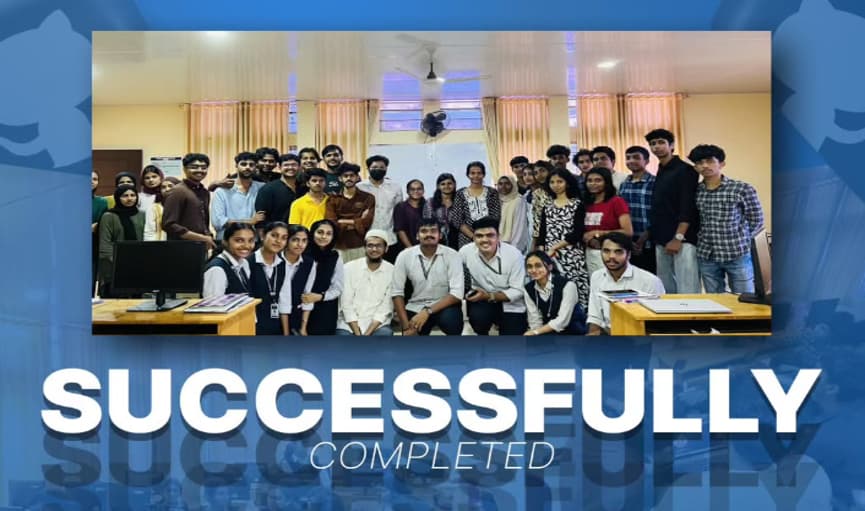
Event 3. The Human Firewall : Your First and Last Line of Defense
2028-09-28T14:00:00Z
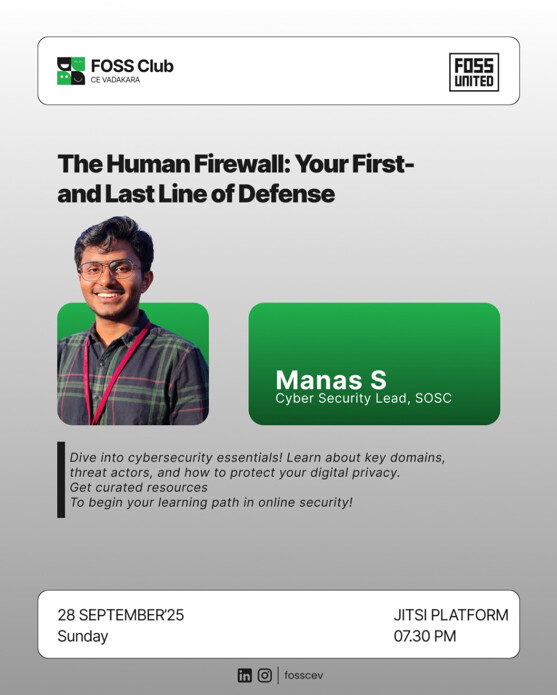
About the Speaker
Manas S is a third-year Computer Science and Engineering student at Sahyadri College of Engineering and Management, Mangalore. He serves as the Cybersecurity Lead of the Sahyadri Open Source Community (SOSC), where he organizes workshops, promotes security awareness, and guides students in cybersecurity-related projects and best practices.
Objective
The session aimed to improve participants’ cybersecurity awareness by helping them understand modern cyber threats, adopt safe digital practices, and recognize the importance of individuals as the first line of defense against cyber attacks.
Brief Description
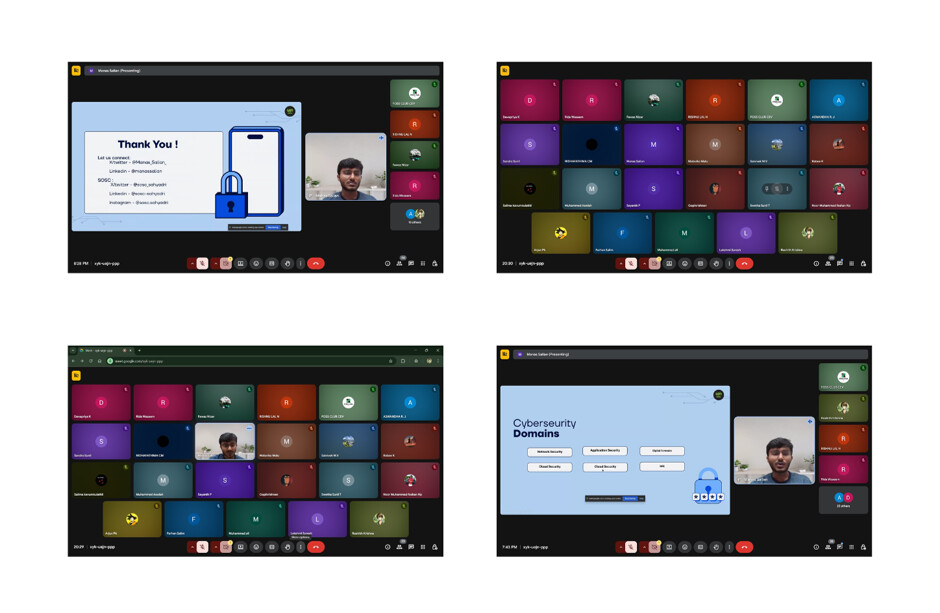
This interactive awareness session focused on the fundamentals of digital security and the growing cybersecurity challenges faced by individuals and organizations.
Participants were introduced to common cyber threats such as malware, phishing attacks, ransomware, account takeovers, and social engineering techniques. The session highlighted how attackers exploit human behavior and provided practical methods to identify and avoid such threats.
The workshop also covered essential cybersecurity practices, including strong password management, multi-factor authentication (MFA), secure browsing habits, regular software updates, and data backup strategies. Emphasis was placed on responsible online behavior, critical thinking, and maintaining good digital security habits in everyday life.
Outcomes
The session successfully increased participants’ awareness of cybersecurity threats and improved their ability to identify potential risks online. Attendees gained a better understanding of their role in maintaining digital security and were encouraged to adopt best practices such as enabling MFA, using stronger passwords, and being cautious with suspicious communications.
Overall, the program helped build a stronger foundation for a proactive and security-conscious digital culture among participants.
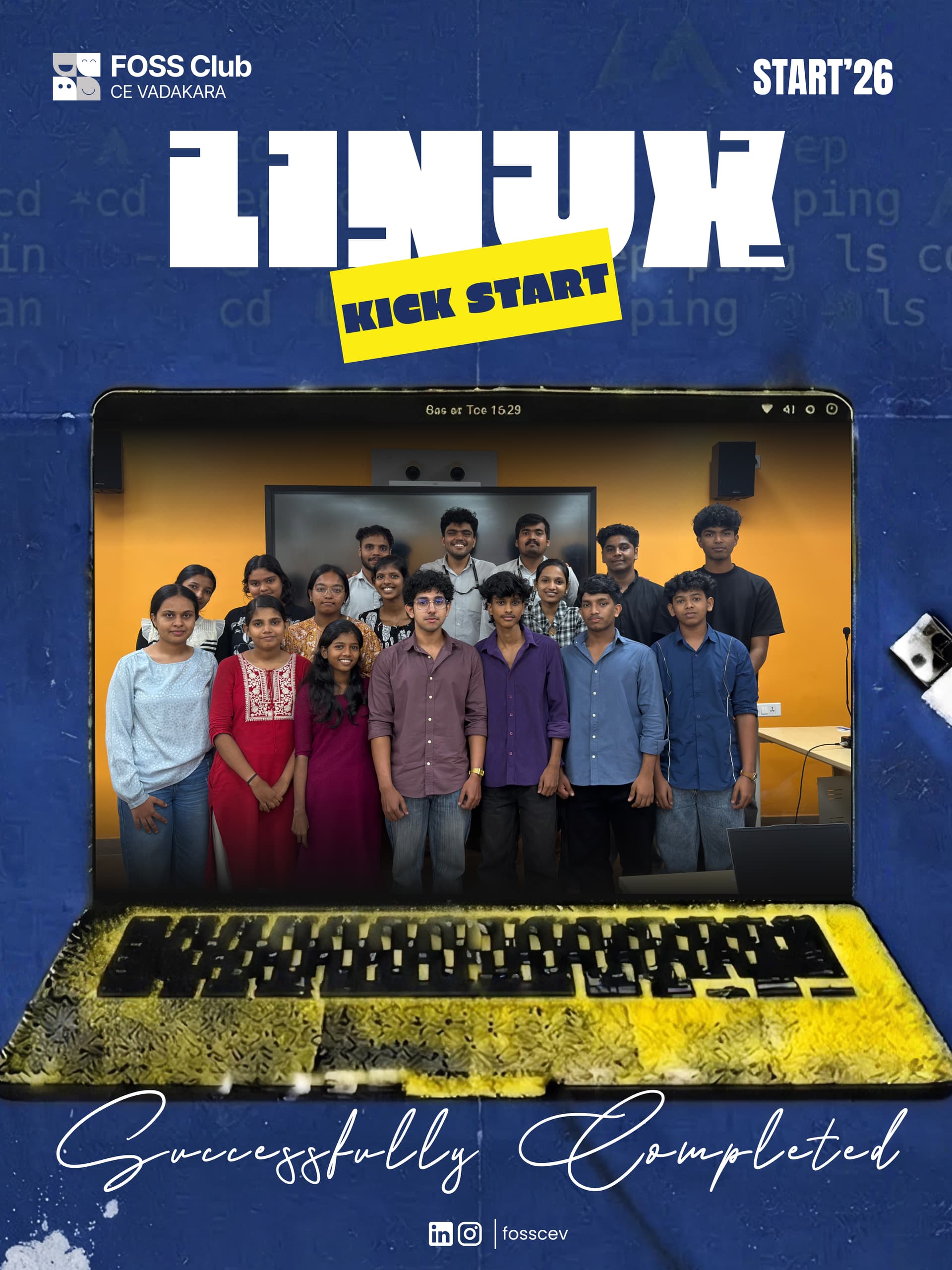
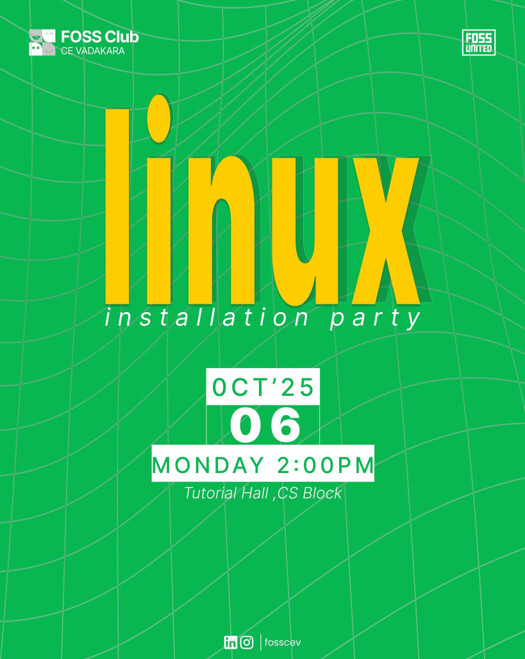
Event 4.Linux Installation Party
2025-10-06T08:30:00Z
About Speaker
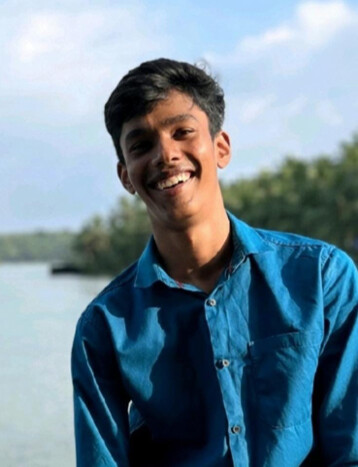
About the Speaker
Shibin Rasheed is a Front-end Developer passionate about building modern and impactful web experiences using React.js, JavaScript, and other web technologies. He is a quick learner and problem solver with interests in Full Stack Development, Artificial Intelligence, and Data Structures & Algorithms. Beyond coding, he enjoys collaborating with teams and organizing events that turn ideas into reality.
Objective
The event aimed to encourage students to adopt Linux and open-source operating systems while providing hands-on assistance for installation and initial system setup. The goal was to make Linux more accessible and easier for beginners to start using.
Brief Description
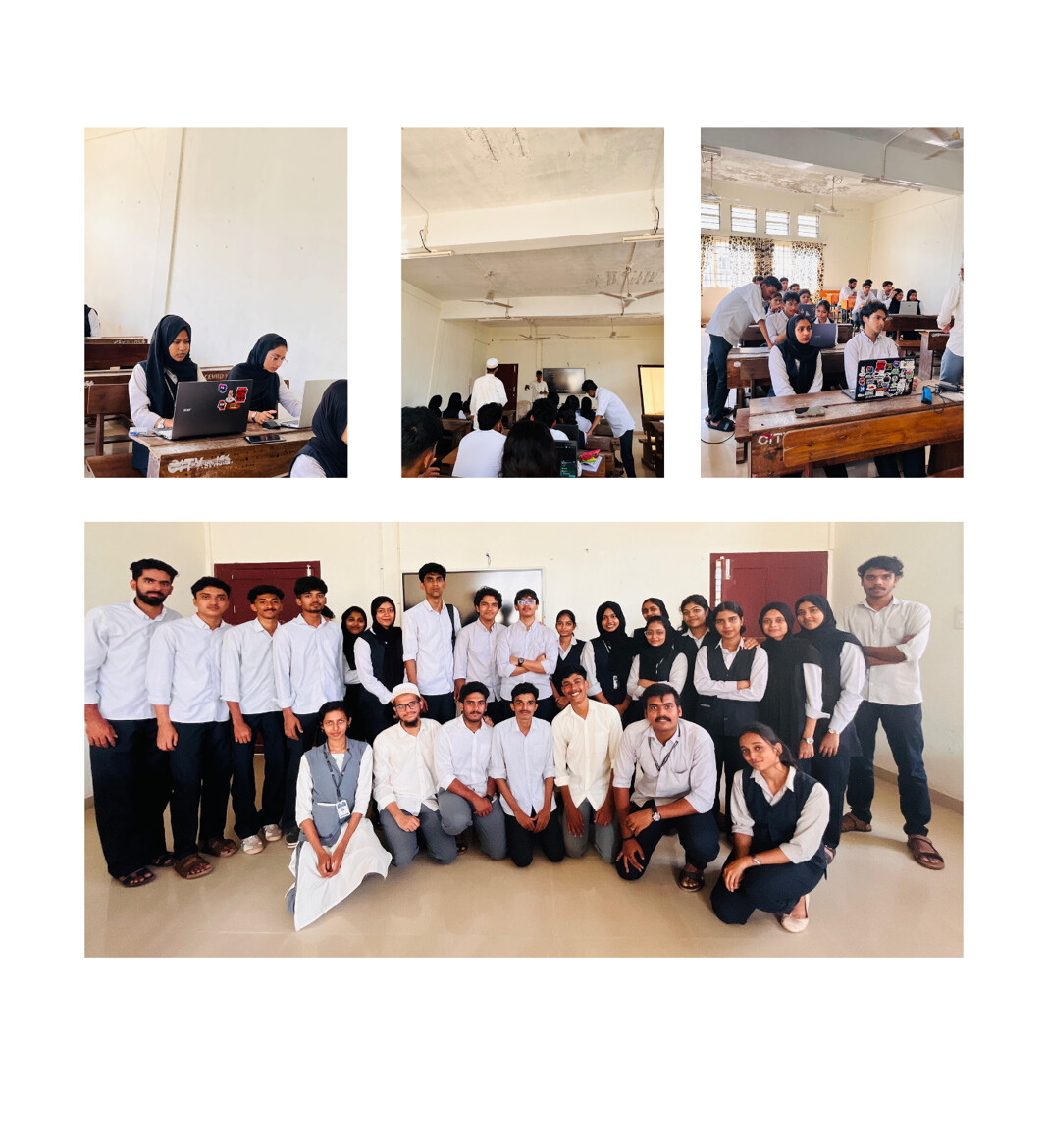
This hands-on workshop focused on helping participants install and configure Linux on their devices. Experienced volunteers guided students through the entire installation process, including disk partitioning, bootloader setup, and operating system installation.
Participants also received support with essential post-installation tasks such as system updates, network configuration, driver installation, and setting up basic applications. An introductory session familiarized students with the Linux environment, covering file system navigation, command-line basics, and desktop environment usage.
The interactive format allowed participants to receive personalized assistance and resolve technical issues in real time, ensuring a smooth learning experience.
Outcomes
The event successfully helped many participants install and configure Linux on their laptops. Students gained practical experience with open-source operating systems and developed greater confidence in using Linux for academic and personal projects.
The workshop also fostered a supportive open-source community, encouraging collaboration and creating a peer network that can assist new Linux users in the future.
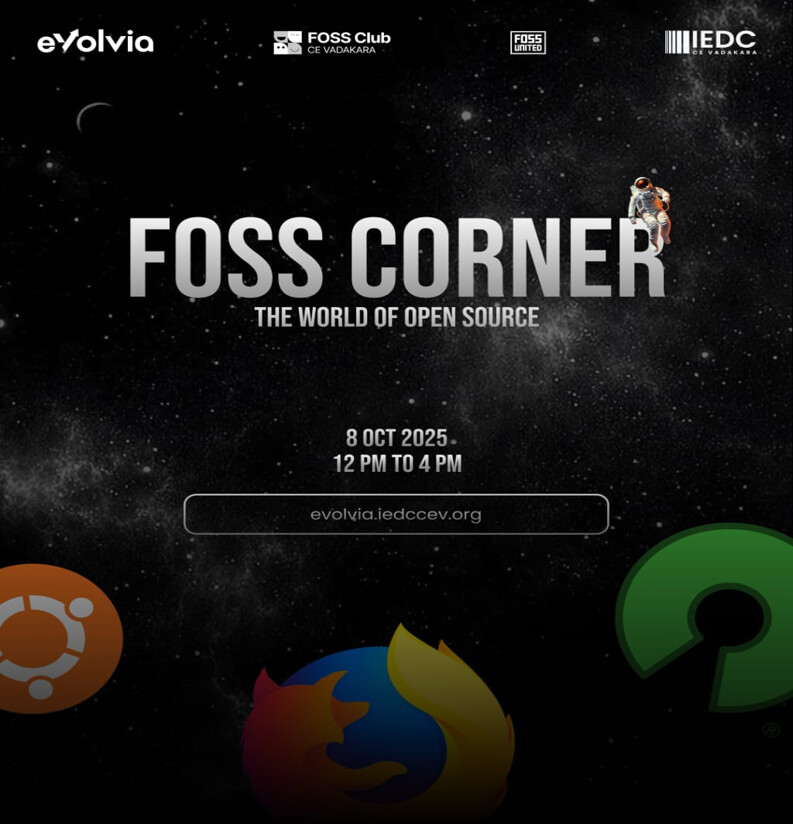
Event.5 FOSS Corner - Evolvia
2025-10-08T06:30:00Z
Objective
The FOSS Corner program aimed to introduce students to the world of Free and Open Source Software (FOSS) and showcase its practical applications across different fields. The goal was to help participants understand the value of open-source technologies and encourage their adoption in academic and personal projects.
Brief Description
FOSS Corner was conducted as an interactive awareness program that introduced students to popular open-source tools, platforms, and communities. The session featured demonstrations of tools such as Linux, Blender, GIMP, VS Code, and Git, along with discussions on open-source principles, licensing, and collaborative development.
Participants were guided on how to get started with open-source projects, contribute to communities, and explore opportunities within the FOSS ecosystem. The program also included interactive discussions, Q&A sessions, and real-world examples of successful open-source contributions.
Outcomes
The program successfully increased participants’ awareness of the open-source ecosystem and its impact on technology and innovation. Students gained a better understanding of FOSS tools, communities, and collaboration models.
The session also sparked greater interest in using open-source software and encouraged students to explore contributions, community participation, and future opportunities within the open-source movement.
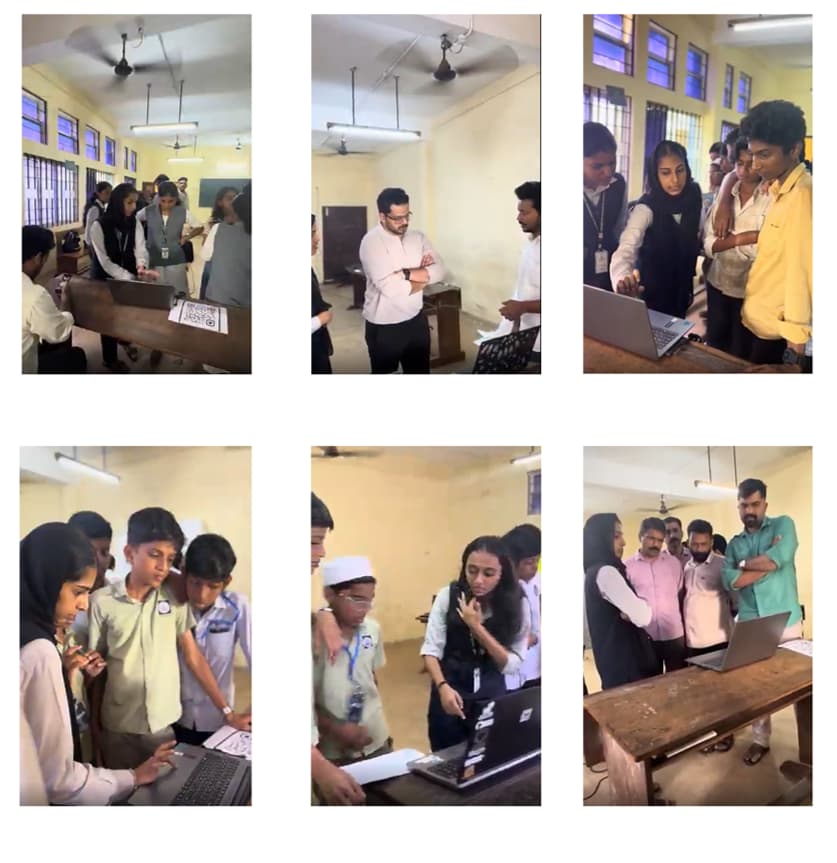
Event-6 code FORWARD : AI . Developer . Productivity
2025-10-08T13:30:00Z
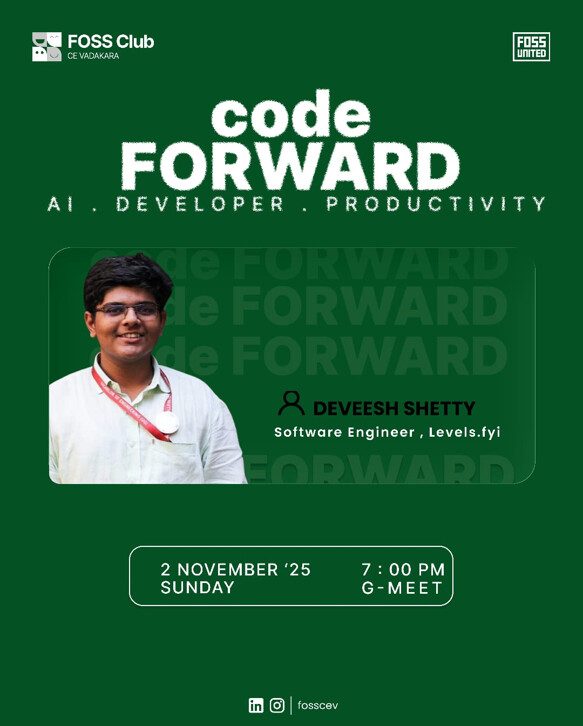
About the Speaker
Devesh Shetty is a Software Engineer at Levels.fyi, a US-based company focused on compensation transparency and fair pay. He specializes in web development, particularly React and Next.js, and is a core team member of the FOSS United Mangalore Chapter. He actively contributes to the developer community through mentoring, technical talks, and open-source initiatives.
Objective
The session aimed to introduce students to modern software development workflows, industry best practices, and AI-powered development tools. It focused on helping participants improve productivity, code quality, collaboration, and development efficiency using contemporary technologies and workflows.
Brief Description
Titled “Future-Proofing Your Development: Modern Workflows and AI Integration,” the session explored how modern developers build, test, and deploy software in professional environments.
Participants were introduced to key concepts such as Git version control, CI/CD pipelines, automated testing, code reviews, scalable software design, and security best practices. A major highlight of the session was the role of AI-assisted development, including tools like GitHub Copilot, AI-powered debugging, code generation, and documentation support.
The speaker shared real-world industry experiences and practical strategies for integrating AI into development workflows while maintaining code quality, security, and ethical standards. The session also covered productivity techniques, time management, and effective developer habits.
Outcomes
The session provided students with valuable exposure to modern industry practices and emerging development tools. Participants gained a better understanding of AI-assisted development and how it can improve productivity and software quality.
The program also motivated students to adopt professional development workflows, collaborative coding practices, and efficient project management techniques. Overall, attendees left with practical insights that can be applied to both academic and real-world software projects.
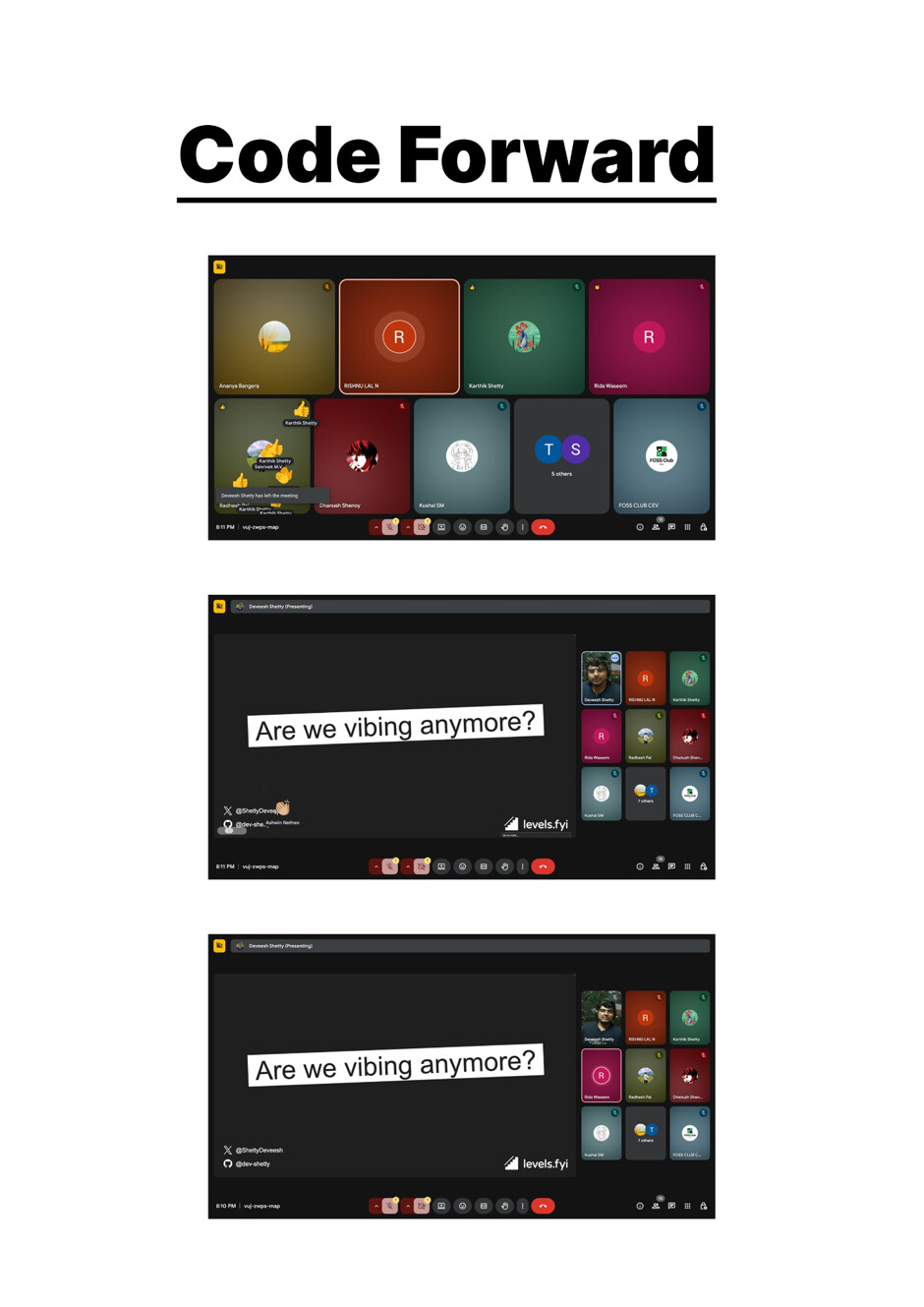
Event-7 AI & HER
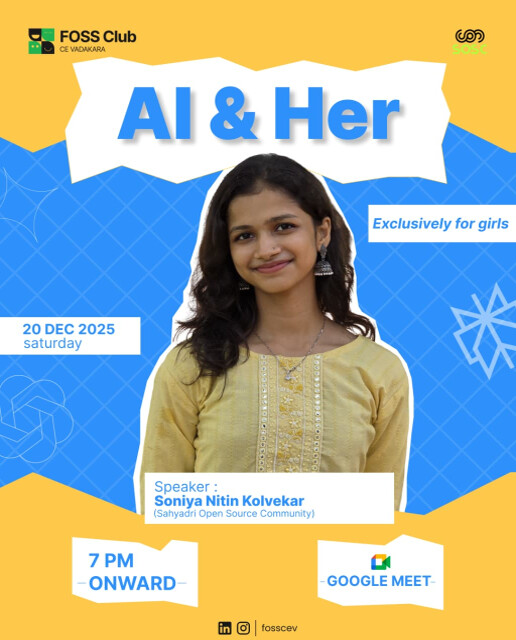
About the Speaker
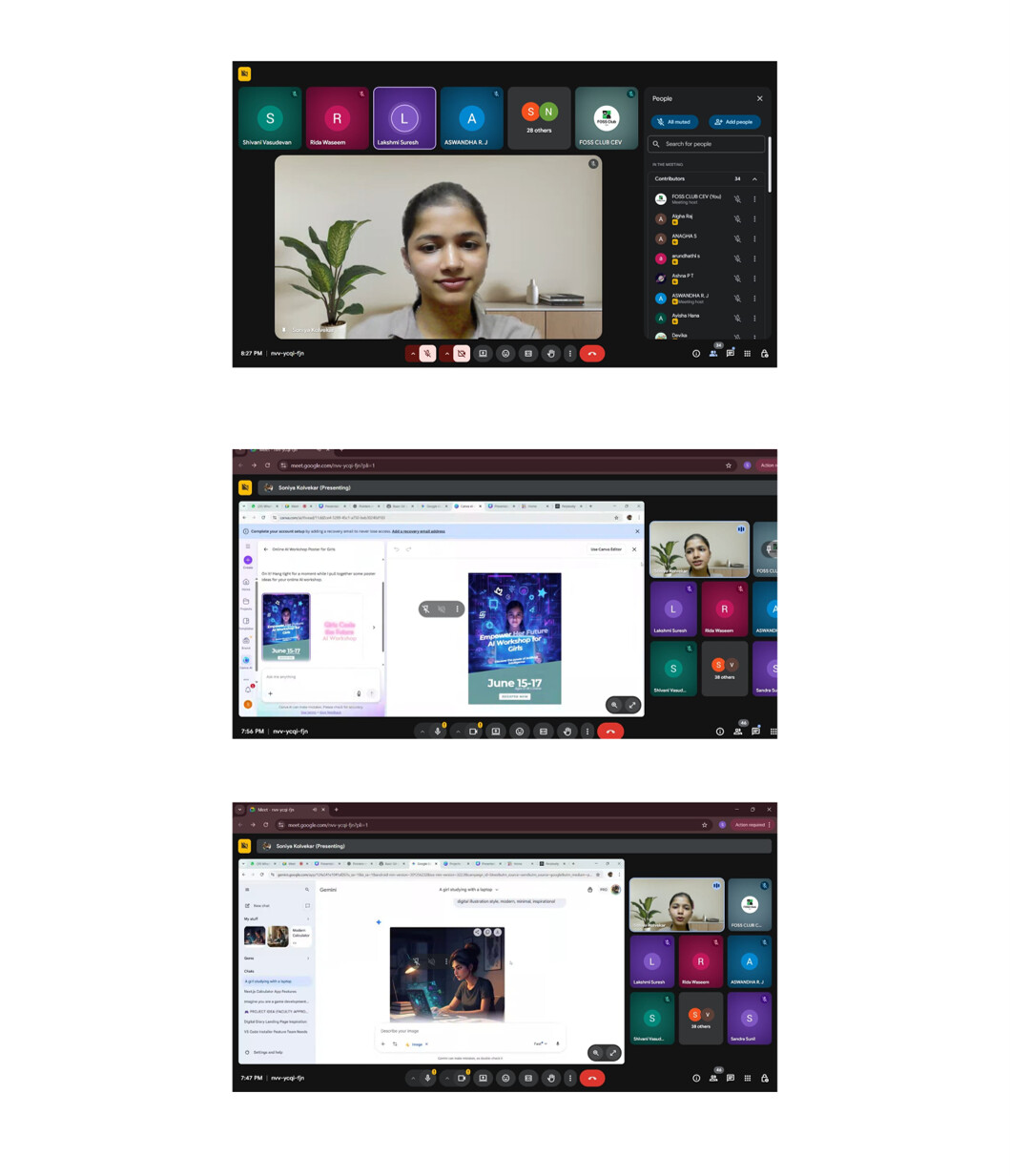
Soniya Nitin Kolvekar is a second-year student at Sahyadri College of Engineering and Management, Mangalore. Her interests include Web Development, MERN Stack, Frontend Development, and Generative AI. She has actively contributed to events such as Devhost 2025 and Devhack 2025, participated in hackathons, and attended various technical conferences and workshops.
Objective
The AI & Her initiative aimed to inspire and empower female students to explore opportunities in Artificial Intelligence and emerging technologies. The program focused on encouraging greater participation of women in tech and helping them understand the possibilities available in AI-related fields.
Brief Description
AI & Her was conducted as an awareness and motivation session with 45 participants. The session introduced attendees to the rapidly growing field of Artificial Intelligence and its real-world applications.
Key topics included AI career opportunities, learning pathways, recommended resources, certifications, and industry trends. Participants were guided on how to begin their AI journey and explore roles such as AI Developer, Data Scientist, and Machine Learning Engineer. The session also highlighted the experiences of women in technology, motivating students to pursue careers in emerging tech domains.
Outcomes
The session successfully increased awareness of AI and its career opportunities among participants. Students gained a clearer understanding of learning paths, industry expectations, and future prospects in the field of Artificial Intelligence.
The program also encouraged greater confidence and participation among female students, inspiring them to explore technology-driven careers and actively engage with AI and related fields.
Event-8 Hallows Of Hacking
2025-12-20T13:30:00Z
About the Speaker
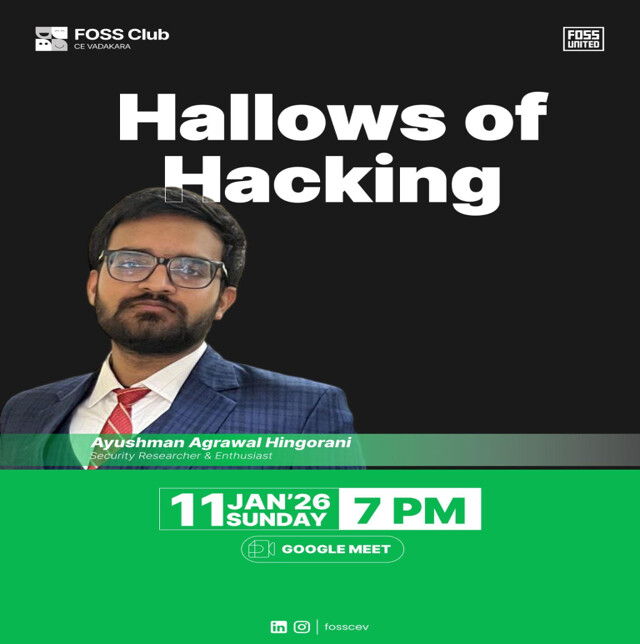
Ayushman Agrawal Hingorani is a Security Researcher with a strong interest in computer systems, operating systems, and cybersecurity. His work focuses on identifying vulnerabilities, understanding security challenges, and developing effective strategies to protect digital systems.
Objective
The session aimed to introduce participants to the fundamentals of cybersecurity and ethical hacking. It focused on building awareness of modern security challenges, understanding ethical hacking practices, and exploring real-world applications of cybersecurity.
Brief Description
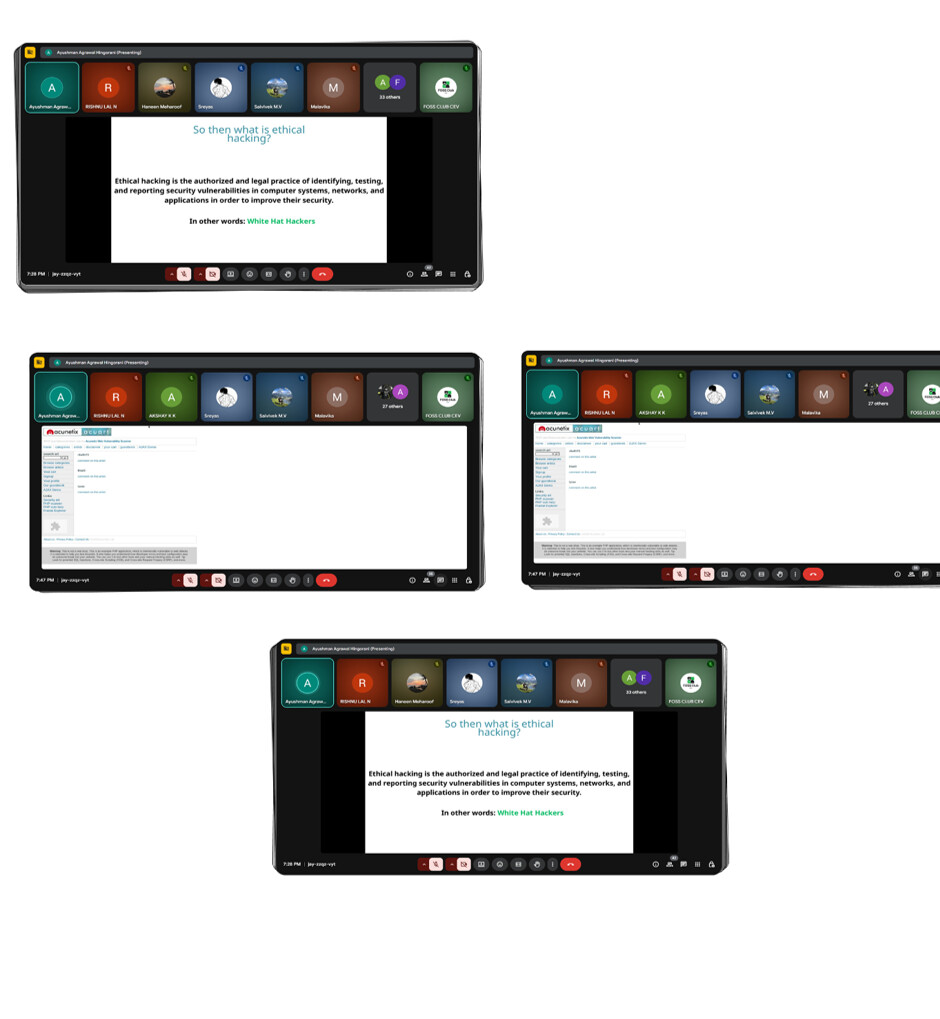
This interactive session provided an introduction to ethical hacking and digital security, with 39 participants in attendance. Participants learned about common cyber threats, security research methodologies, and the importance of proactive defense in today’s digital world.
The session also emphasized the ethical and legal aspects of cybersecurity, highlighting the difference between malicious activities and authorized security testing. Real-world examples and discussions helped students understand how security professionals identify and address vulnerabilities.
Outcomes
The session improved participants’ understanding of cybersecurity concepts and strengthened awareness of common online threats such as phishing, malware, and social engineering attacks.
It also sparked interest in cybersecurity research, ethical hacking, and vulnerability assessment, encouraging students to explore security-focused learning and career opportunities. By exposing attendees to industry practices and real-world scenarios, the session helped enhance their readiness for future roles in technology and cybersecurity.
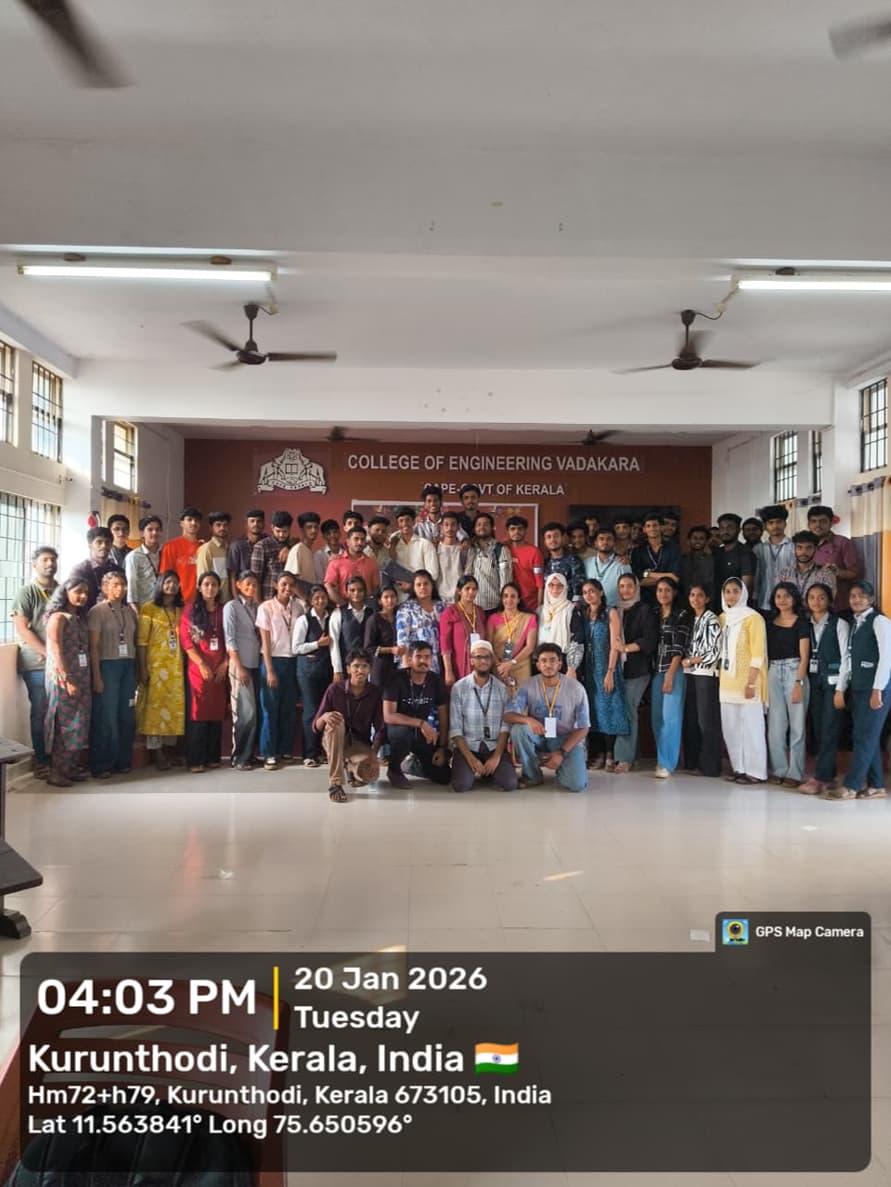
Event-8 HackDay2026
2026-01-20T03:30:00Z
Venue: Mini Auditorium
Objective
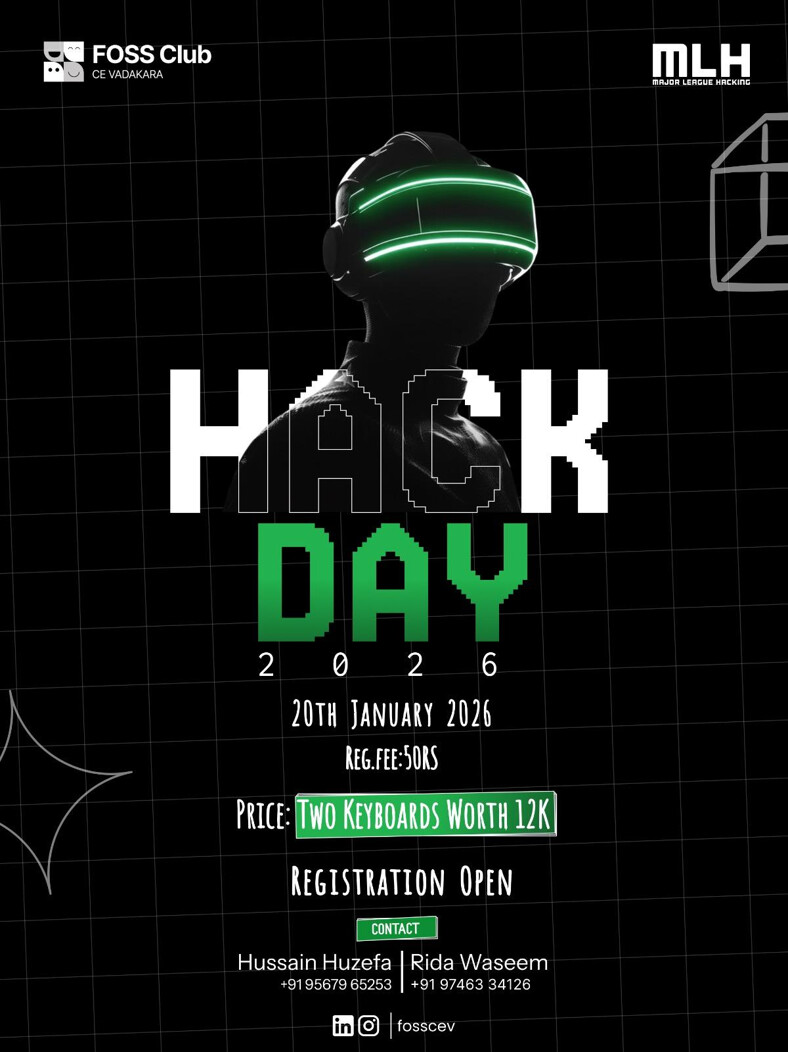
HackDay 2026 aimed to encourage students to develop innovative, technology-driven solutions for real-world challenges within the college environment. The hackathon provided a platform for participants to apply their technical skills, collaborate with peers, and build practical solutions within a limited timeframe.
Brief Description
HackDay 2026 was a 5-hour hackathon organized by FOSS Club CEV in collaboration with MLH and Google Gemini. The event brought together 44 students across 22 teams to work on challenges focused on improving administrative processes and the student learning experience.
Participants received guidance from mentors Abinsanth P B and Benison Abraham throughout the event. Projects were evaluated by a panel of judges comprising Dr. Aruna A S, Mumthas T K, Nithya A K, and Dhanya V, who assessed submissions based on innovation, technical implementation, and relevance to institutional needs.
A special category encouraged the use of Google Gemini APIs, promoting the integration of AI technologies into student projects.
Outcomes
HackDay 2026 successfully fostered innovation, teamwork, and problem-solving among participants. Students developed practical solutions addressing real challenges within the college ecosystem while gaining valuable experience in rapid development and collaborative project building.
The event awarded prizes worth ₹24,000, including a special recognition for the Best Use of Gemini API. Several innovative project ideas demonstrated strong potential for enhancing college operations and student experiences.
Winners
HackDay 2026 Winners
- Shibin Rasheed (S8 CSE)
- Sravan Jyotish K J (S8 CSE)
Best Use of Gemini API
- Sourav K (S4 CSE)
- Farhad Abdul Latheef (S4 CSE)



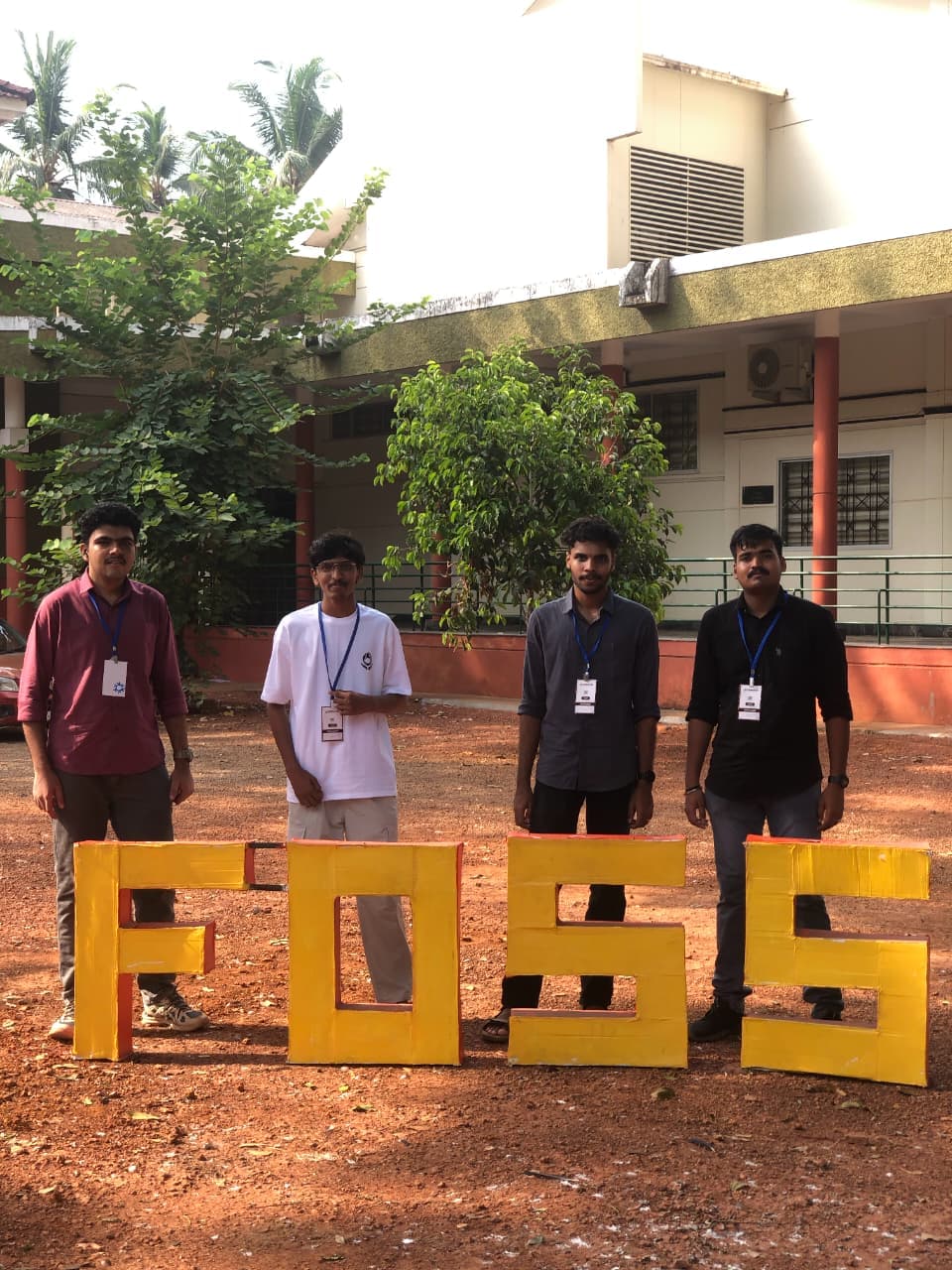

 FOSS CLUB CEV — MEDIA TEAM 2026
 Media Lead
 Media Team Members