UFC Events Updates from Our First Year (2025-26)
Our first academic year was about establishing UFC as a functioning campus community, experimenting with different ways to introduce students to FOSS, and figuring out how to move from introductory learning towards actual building.
Here’s a retrospective of the main activities from August 2025 through the 2025–26 academic year.
1. Orientation - Introducing FOSS to USAR (13 August 2026)
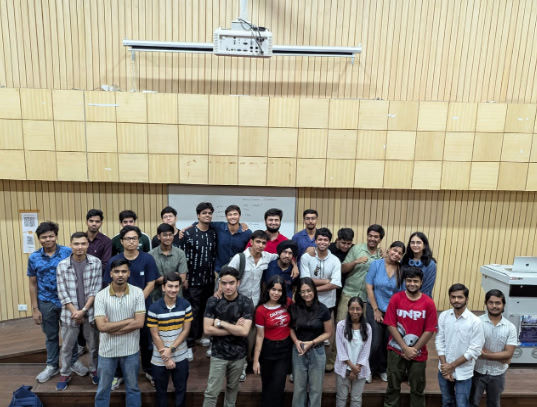
Our inaugural orientation introduced students to the philosophy and ecosystem of Free and Open Source Software, UFC’s mission, and the principles of open collaboration.
The session was conducted as part of a joint induction at USAR. We introduced students to the different ways they could get involved, regardless of their existing experience.
The aim was to make open source approachable and show that it could be a starting point for learning, building, and participating in wider technical communities.
2. Git Gud Workshop - Learning by doing
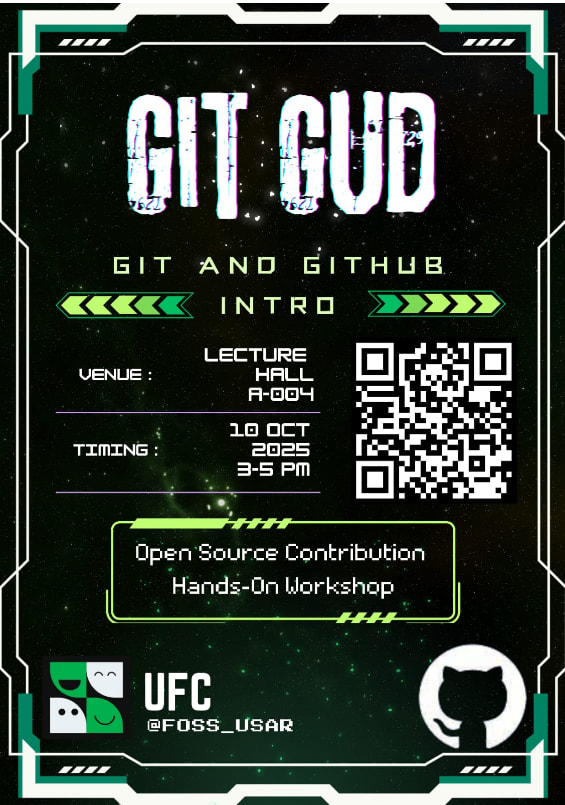
Dates: 4 and 10 October 2025
Format: Online + in-person
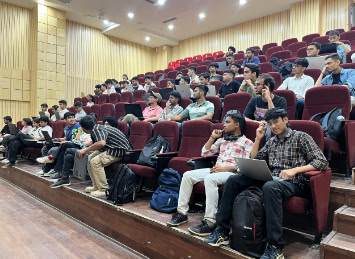
Participation: 70+ attendees
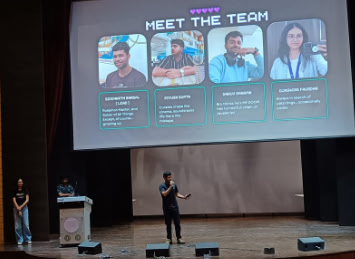
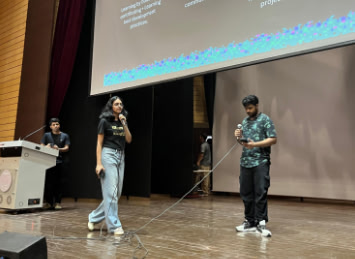
Git Gud was a two-day hybrid workshop covering Git, GitHub and collaborative development.
The online session covered the fundamentals, repositories, branching, merging and pull requests. The in-person session went further into advanced workflows, merge-conflict resolution, CI/CD basics and open-source contribution practices.
We also ran a quiz with a leaderboard to make the learning more interactive.
One thing we particularly wanted was for participants to leave with something tangible: everyone created a PR on our repo and made live contributions during the workshop.
The event was self-funded by UFC and helped establish a format we wanted to keep exploring: short explanations followed by practical work.
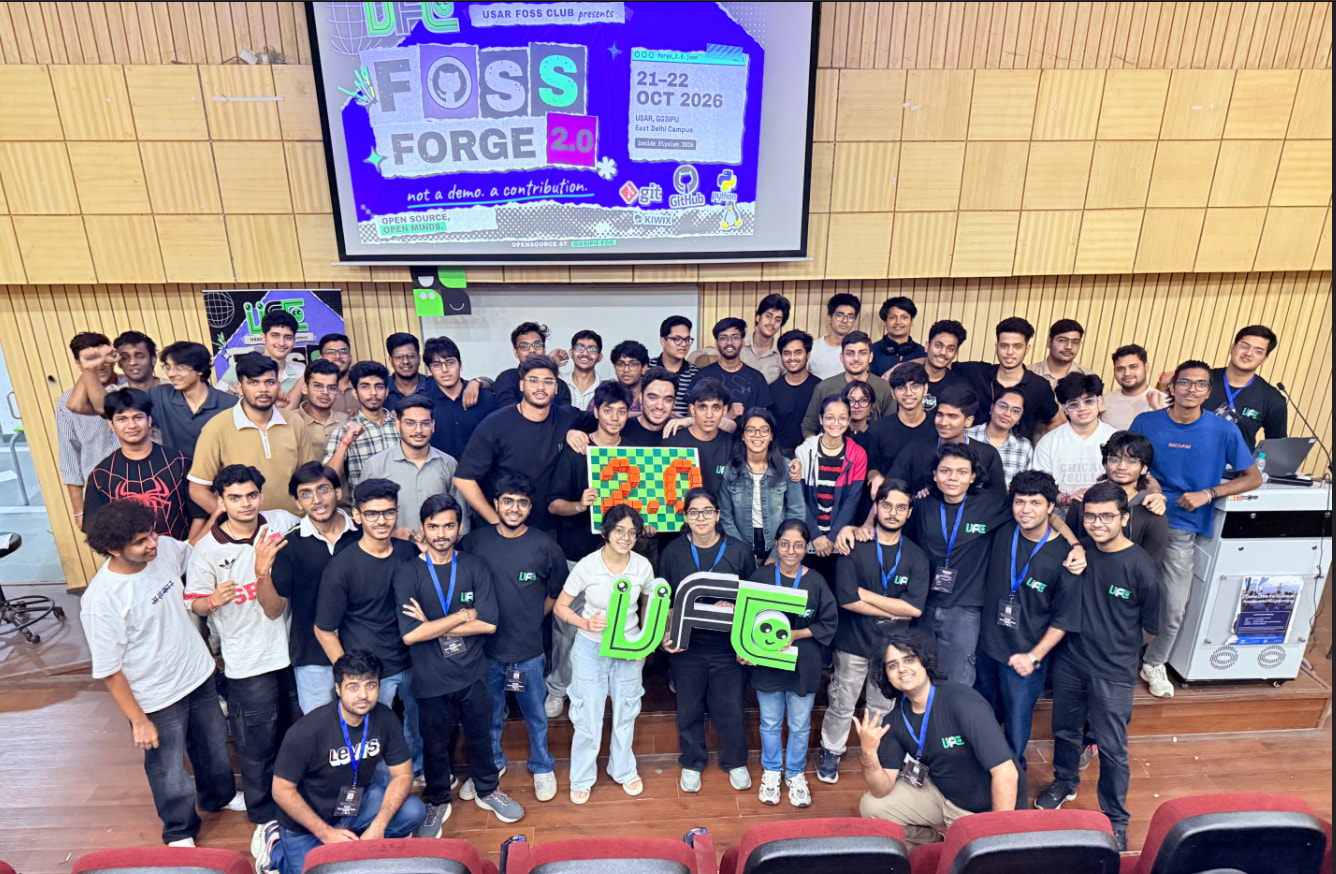
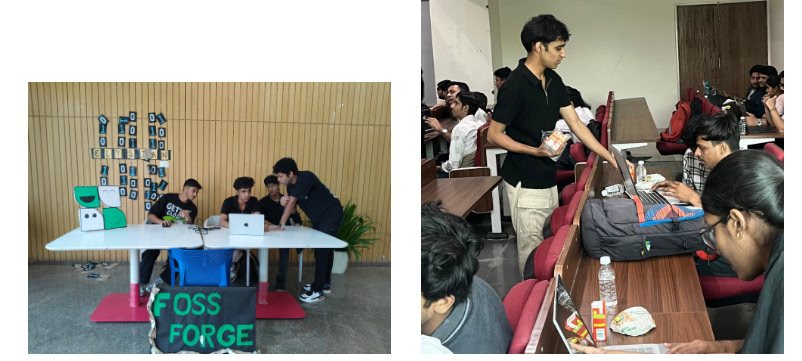
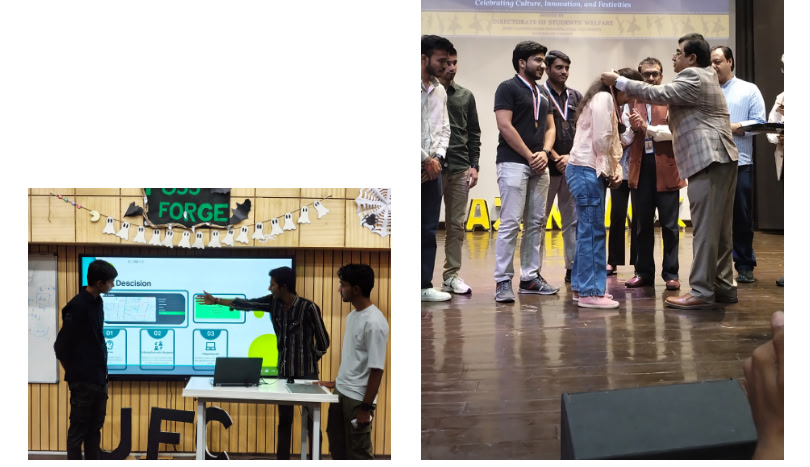
3. FOSS Forge 2025 - Our first flagship hackathon
Dates: 15–16 October 2025
Part of: Elysian 2025, GGSIPU
Registrations: 195 teams
Prize pool: ₹50,000+ (Goodies/Credits + Cash prizes(₹15k) )
FOSS Forge 2025 was our first flagship open-source hackathon. Rather than running a conventional build-from-scratch hackathon, we designed the event around contribution workflows and real repository work.
The event had three progressive rounds:
-
Intro to Open Source: Participants interacted with a custom-built contribution dashboard that gamified the pull-request workflow.
-
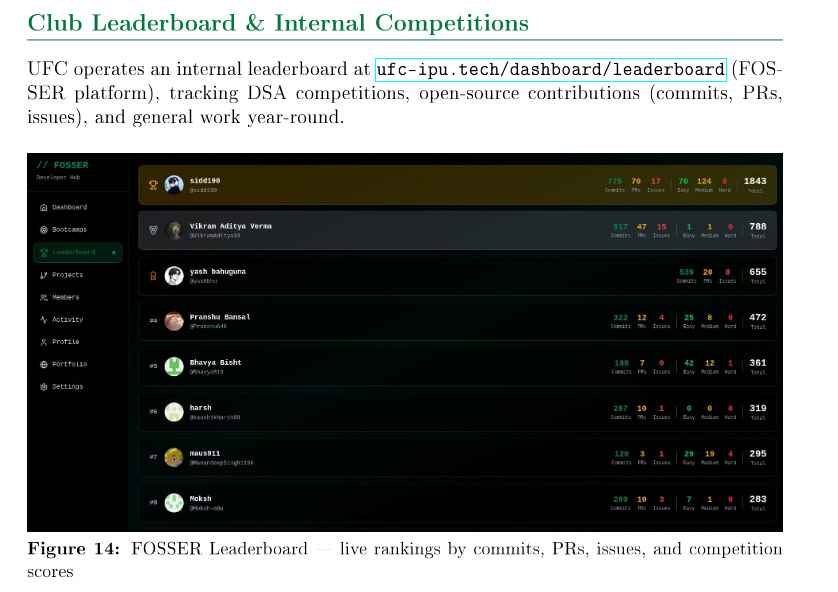
Git Clash: Commit Storm: Teams worked on curated GitHub issues of varying difficulty, with a live leaderboard in a simulated Open source working environment on our self developed platform.
-
Repo Sprint: Fork, Build, Pitch!: Teams forked curated repositories, developed features and presented their work to a judging panel.
After online portfolio shortlisting, the top 30 teams were selected for the offline rounds.
The event was supported by Unstop, which provided goodies and swag, and CodeCap as a community partner.
We had burgers, after-party and participants came up to say this was one of the uniquest funnest event they had been to, so it was a total blast.
Building the live contribution dashboard was an important experiment for us: we wanted to make the mechanics of open-source contribution visible, interactive and approachable.
4. UFC Open Mentorship Program - Build. Ship. Showcase.
Duration: October 2025 - January 2026
The Open Mentorship Program was a three-month, online initiative designed to help junior members build their first real-world technical projects with guidance from senior mentors.
The programme recorded:
The projects covered web development, AI/ML, cybersecurity, game development, systems programming and mobile development.
Some of the showcased projects included an NES emulator written in modern C++, a Snake game using OpenGL and FreeGLUT, multiplayer games, a collaborative whiteboard and a browser-rendered 3D room.
This was an important step towards giving students a longer-running engagement with the club beyond individual events.
Project showcase: https://ufc-project-tracker.vercel.app
5. Community sessions and initiatives
Alongside our larger events, we organised informal community calls through Discord and Jitsi.
These included discussions around FOSS philosophy, building in public, contributing to real projects, and general developments in technology and developer ecosystems.
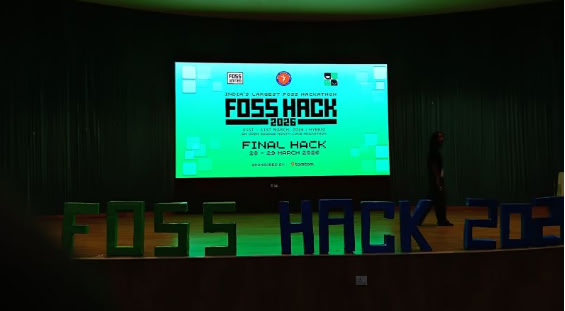
We also served as a community partner for FOSS Hack 2026, whose final hack took place on 28-29 March 2026 at Delhi Technical Campus.
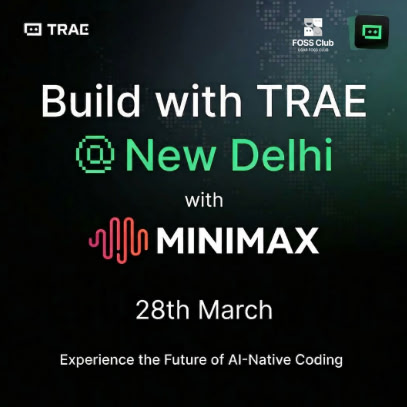
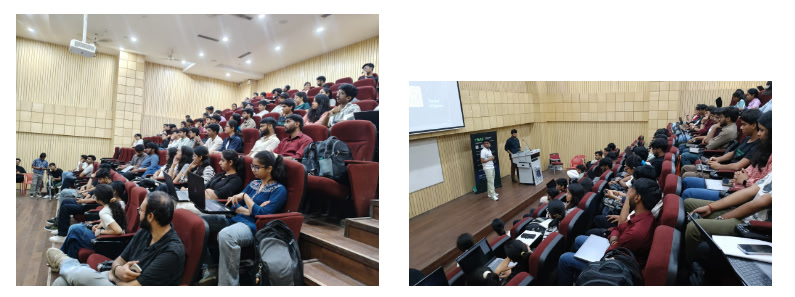
6. TRAE AI Developer Workshop
Date: 28 March 2026
Collaborators: TRAE AI and Minimax
Participation: 70 attendees
Mini-hackathon submissions: 30 projects
This full-day workshop explored AI-assisted development, agentic coding workflows, and the trade-offs between open-source and proprietary AI models.
The sessions covered using AI tools for code generation, debugging and refactoring while retaining architectural control, followed by an overview of Minimax models and the trade-offs between cost, control and performance.
The event concluded with a two-hour mini-hackathon in which participants built prototypes across AI productivity, developer utilities, chat assistants and workflow automation.
The collaboration brought external technical platforms and industry exposure into our campus community.
What this year gave us
The first year helped us establish several different ways for students to engage with FOSS: introductory learning, hands-on workshops, competitive contribution rounds, longer mentorship programmes and informal community discussions.
It also gave us a foundation to build upon. We had experimented with event infrastructure, contribution dashboards, project showcases and longer-running builder initiatives.
Our next challenge was to make these efforts more connected: helping people progress from attending an event to working on projects and contributing to software beyond the campus.
That became an important part of our direction in 2026-27.